Page 1 :
Base of heart
Page 2 :
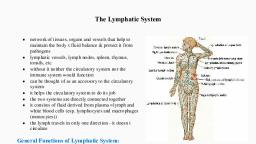
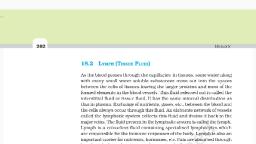
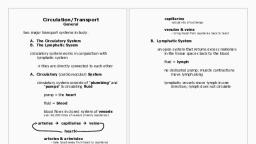
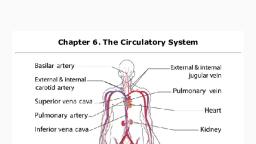
‘The circulatory system, also called the cardiovascular systen, the body. ;, > The cardiovascular system comprises, lymph, lymph nodes, and lymph vessels, filtered blood plasma from the interstitial fluid as lymph., > The heart is the system’s pump and the blood vessels are, > The circulatory system includes the lymphatic system, which circulates lymph., passage of lymph takes much longer than blood. i, > Blood is a fluid consisting ofplasma,red blood cells, white blood cel, and platelets that is circulated by the heart through the vertebrate vascular syste, carrying oxygen and nutrients to and waste materials away from all body tissues., > Lymph is essentially recycled excess blood plasma after it has been filtered from, the interstitial fluid (between cells) and returned to the lymphatic system. ;, > The following information describes the structure and function of the heart and, cardiovascular system as a whole., , , , , , , , , , , , , , , , , , , , the blood, heart, and blood, form the lymphatic system, whicl, , like the delivery routes., , , , , , , The heart is A auaiilly cone-shaped hollow muscular organ. It is about 10 em long ', and Its weighs about 310 gm in Male and 225 gm in Female, >» It is about the size of the owner’s fist. The heart is located in the Media Sternal _, region (thoracic cavity) and it is also situated between the lungs, 60% of it lying to _, the left of the median plane. fi, » — The heart’s lateral projection extends from rib 3 to 6. Most of the heart’s surface, covered by the lungs . it is bordered cranially by the thymus. Caudally the heart, extends as far as the diaphragm., >» The heart is cone-shaped, with a broad base at the to, vessels enter and exit. The tip,, to the sternum., , p from which the large bloo, known as the apex, points downwards and lies close.


Page 4 :
latory system: , Pulmonary (lungs and heart), Systemic (body systems), , Coronary (vessels that serve heart)., , , , Heart consists of three ver : 7" 7, Pericardium ; ; : f, » — The heart situated within a fluid-filled cavity called the pericardial cavity. The walls _, , |, ., | and lining of the pericardial cavity are a special membrane known as the, } pericardium,, , t, , » ~ Pericardium is a type of serous membrane that produces serous fluid to lubricate the r |, heart and prevent friction between the ever beating heart and its surrounding, organs. Besides lubrication, the pericardium serves to hold the heart in position and D, maintain a hollow space for the heart to expand into when it is full. ;, , >, , The pericardium has 2 layers—a visceral layer that covers the outside of the heart, and a parietal layer that forms a sac around the outside of the pericardial cavity., Parietal pericardium, , , , , Visceral pericardium, , , , , , ; Pericardial cavity, Fig. : Layer of heart wall