Page 1 :
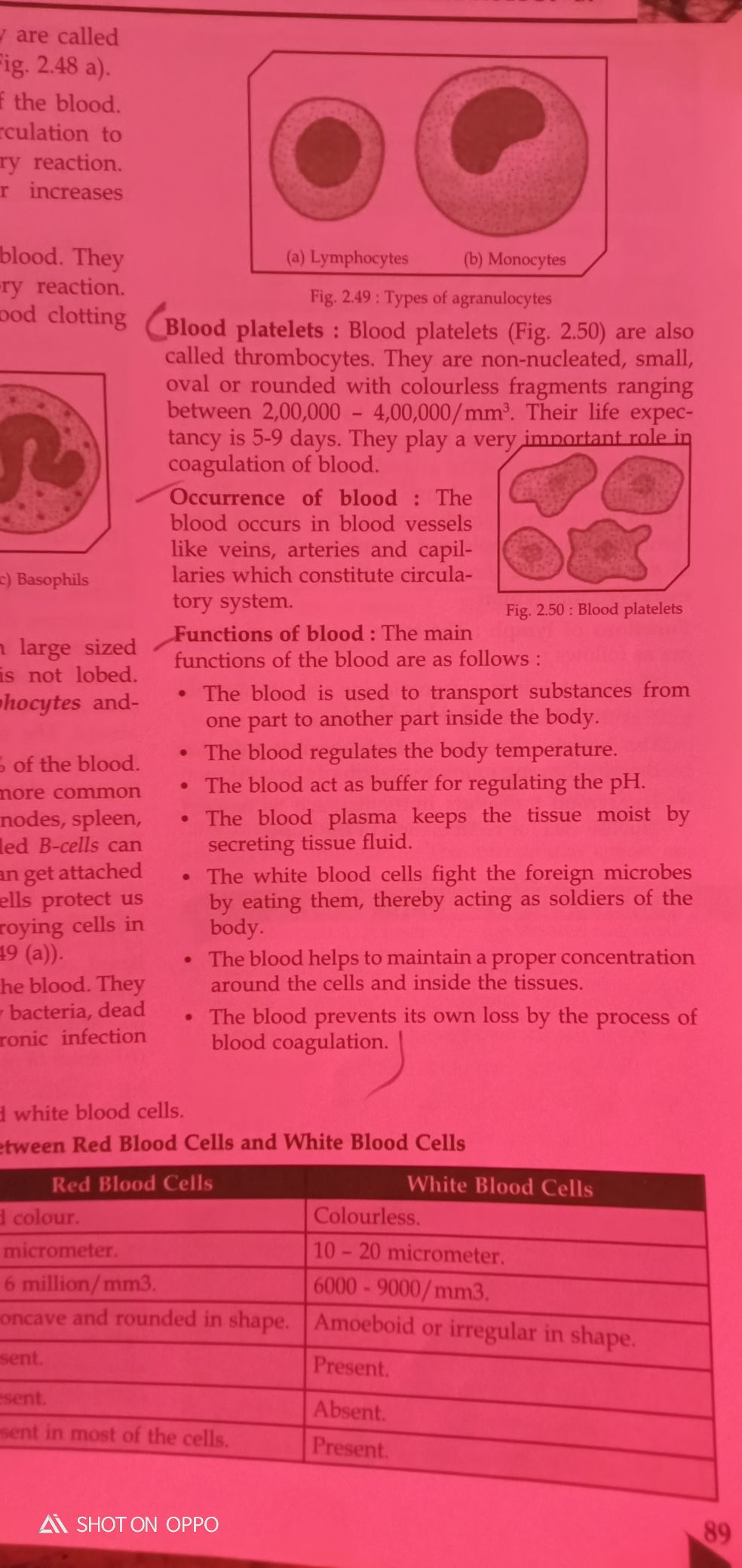
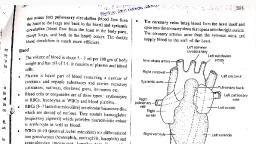
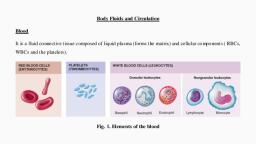
a Seieieeeereeceectiieeen, y are called, , ‘ig. 2.48 a)., , F the blood., culation to, ry reaction., r increases, , , , blood. They (a) Lymphocytes (b) Monocytes, , ry reaction. Fig, 2.49 : Types of agranulocytes, , od clotting CBlood platelets : Blood platelets (Fig. 2.50) are also, called thrombocytes. They are non-nucleated, small,, oval or rounded with colourless fragments ranging, between 2,00,000 - 4,00,000/mm®. Their life expectancy is 5-9 days. They play a very imnarta ei, coagulation of blood., , Occurrence of blood : The, blood occurs in blood vessels, like veins, arteries and capillaries which constitute circulatory system., , Functions of blood : The main, , , , Fig. 2.50 : Blood platelets, , ee functions of the blood are as follows :, is not lobed. ;, hocytes and- ° The blood is used to transport substances from, , one part to another part inside the body., fcediebiced = * The blood regulates the body temperature., , nore common ° ‘The blood act as buffer for regulating the pH., nodes, spleen, + The blood plasma keeps the tissue moist by, , led B-cells can secreting tissue fluid., , in getattached =. The white blood cells fight the foreign microbes, ells protect us by eating them, thereby acting as soldiers of the, roying, cells in body., , 19 (a)). ¢ The blood helps to maintain a proper concentration, he blood. They around the cells and inside the tissues., , ‘bacteria, dead i:, , 5 j The blood prevents its own loss by the process of, ronic infection blood ar ges, , i white blood cells., ‘tween Red Blood Cells and White Blood Cells, , , , , , , , , White Blood Cells