Page 1 :
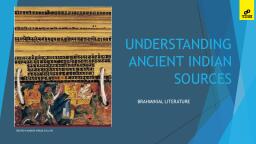
After the collapse of the Indus Valley Civili, Indo-Aryan people migrated into north-we:, , indus Valley. They brought with them their distinctive rel, , Different Ways of Life :, The Vedic Age, , ization,, stern India and started to inhabit the northern, , , , , which ended around 1400 BC, groups of, , ligious traditions and practices. The, , knowledge about the Aryans comes mostly from Rigveda -samhita., , Vedic Age, , The Vedic period or Vedic age ran from 1500 BC to, 500 BC. It was the period in Indian history during, which Vedas, the oldest sculptures of Hindusim, , were composed. The Vedic age is divided into two _, , periods — the Early Vedic period from 1500 BC, to 1100 BC and the Later Vedic period from, 1100 BC to 500 BC. The end of the Vedic age, witnessed the rise of large, urbanised states as, well as of shramana movements including Jainism, and Buddhism which challenged the Vedic, , orthodoxy., The Advent of Aryans, , During the early period, the Indo-Aryans settled, into northern India, bringing with them their, specific religious traditions. Their civilization —, Vedic Civilization was initially a tribal, pastoral, society centred in the northwestern parts of the, Indian subcontinent. After 1200 BC, it spread to, the Ganges Plain, as it was shaped by increasing, settled agriculture, a heirarchy of four social classes, and the emergence of monarchical, state level, polities., , (Theories about the origin of the Aryans :, , y According ing to some historians they were original, , |__imbabitants of India, @) SST_6, , =<, , , , o Many historians thought they spread out from, Central Europe., , co But the theory accepted by all is of Professor, Max Muller of Germany. According to him, the Aryans came from Central Asia in about, 1500 BC., , The Vedic Literature, , The Vedic literature has been traditionally held, sacred, for it is believed to have been derived from, divine sources. The Vedas, originating from the, word vid meaning knowledge, are believed to be, eternal., , There are four Vedas : Rig Veda, Yajur Veda,, , Sama Veda and Atharva Veda. They contain, hymns in praise of various gods and goddesses, These hymns were recited and passed from ont, generation to the next until many centuries latet, , they were finally written down. |, , , , Manuscripts of Veda, , Scanned with CamScanner
Page 2 :
phe Rig Veda is the oldest Veda, comprising 1,028, hymns and divided into 10 parts or mandalas. It is, also known as “‘the first testament of mankind.’’ It, aca collection of prayers in honour of various Hindu, cities such as Agni, Surya, Varuna and Indra., , ne Sama Veda consists of shlokas of the Rig Veda, set to tune. This Veda is important for Indian, ‘music., The Yajur Veda contains hymns which are recited, during the performance of specific rituals. These, rituals give us an idea of the social and political, condition of those times., , he Atharva Veda comprises early traditions of, , ealing and magic., , part from the four Vedas, the Vedic literature also, jncludes the Brahmanas, the Aranyakas, and the, Upanishads. The Brahmanas are commentaries on, ledic hymns. The Aranyakas found at the end of, Brahmanas were forest books meant for hermits., The Upanishads contain philosophical arguments., They are generally called ‘Vedanta’ as they came, towards the end of the Vedas. There are 108, upanishads., , The two epics, the Mahabharata and _ the, Ramayana are also considered to be prominent, Vedic Age creations. These two are concerned with, events which took place between 1000 BC and 700, BC, but they were finally compiled only by 400 AD., Ramayana is known as the oldest epic of the world, while Mahabharata is known as the longest epic of, , , , Impression of battle of Mahabharata, , What Kind of a Society Prevailed?, , The smallest unit of society was the kula or, the family. The eldest male member of the, family, who was known as the grahapati, headed, the kkula, His decisions were final. His children and, grandchildren too lived with him as a joint family. A, number of kulas together were known as a vish or, clan; a number of clans became a jana (tribe). A, number of janas formed a grama (village)., , Besides the Aryans, there was another group of, people whom the Aryans called the ‘dasas’ or, ‘dasyus’. Their culture was different to that of the, Aryans. They also spoke a different language. Most, of the dasas were perhaps enslaved and so the term, ‘dasa’, later came to mean ‘slave’. The dasas had to, do whatever work was given to them by their, masters., , The Caste System, , The society was divided into four distinct castes or, varnas on the basis of the skill or work of the, people — the Brahmins (priests), Kshatriyas, (kings and warriors), Vaishyas (farmers and, merchants) and Shudras (menial workers). During, the Early Vedic Period, the profession of a person, determined his caste. The teachers and priests were, called Brahamanas, rulers and administrators, Kshatriyas; farmers, merchants and bankers, Vaishyas; and artisan and labourers as Shudras. It, was flexible and inter-caste marriages could take, place., , , , Scanned with CamScanner
Page 3 :
The Four Ashramas, Ashramia referred to the age-based social system of, the Vedic Period. The life of a person was divided, , into four stages called Ashramas. For the first five, years of his life, the child lived with his family., ages which, , Thereafter, he entered the ashrama st:, , are as follows :, , Brahmacharya was the first stage of man’s life, , Ce, after birth when he needed to obtain knowledge, as a student by studying the Vedas., , ¢ Grihastha was the second stage of life. During, this stage man was supposed to marry and lead, a family life., , e Vanaprastha was the stage when man needed to, , offer his services to others., , was the last stage in a man’s life, , eo Sanyasa, in the, , when he renounced the world and lived, , forest., , , , ‘The four ashrams, , Economy : Iron was discovered during this time., A number of implements and weapons were, made with iron. Though agriculture was still, , aad, , the most important occupation, other crafts, as weaving, leather work, pottery, car, Such, and jewellery designing developed. Trade flour’?, in this period and saw the growth of jou, , cities. ang, Education : The Guru-Shishya tradition ,,, , followed for education. Education was focused, Vedic literature, both religious and secular, Th, , was passed on orally from Guru to the Shisy, ;, student (Brahmachari) lived with his Guru in th, ashram and served him. This was the Guruty|, system of education. :, Science : In Vedic civilisation, people studieg, some branches of science also. They made accuray,, calendars and could predict the time af, eclipses. In mathematics, they were fairly advanceg, and learnt ankaganita (arithmetic), rekhaganit, (geometry), beej ganit (algebra), astronomy anj, , astrology., , Transport and Trade : The use of horse was, unknown in India before the coming of Aryans. The, Aryans introduced the horse in India which they, brought from Central Asia. Horses were used for, drawing chariots. Ownership of a chariot was, regarded as a status symbol in the Vedic society, Boats were used for water transport., , Amusements : Chariot racing, hunting, gambling,, , singing, dancing, playing musical instruments, were the favourite amusements of the Aryans, , They loved to play the game of dice. The flute, the, , drum and lute were their favourite musical, instruments., , Dress and Lifestyle : The wool and cotton wet, used to make garments. Men wore dhotis and, turbans and women wore saris. Gold and silver, ornaments were worn by men and women., Religion : The Aryans worshipped various forms 0!, nature because they wanted protection from natu!, disasters., , They worshipped Indra—the god of thun, rain, Surya-the Sun god, Varuna-the god 0!, Soma-the god of plants, Prithvi-the earth god a, Usha-the goddess of dawn., , der and, f watel, , , , A, , Scanned with CamScanner
Page 4 :
: sacrifices Were common rituals in order, vio ee different’ gods and acquire, _ The priests conducted the rituals., $., , their, al, , , , , , , , , Scene of ayajna, Amazine Fact, e Ashvamedha yajna) was performed to, , , , , , , , establish control over all those territories, through which the sacrificial horse wandered, « Rajasuya yajna was supposed to grant, supreme power to the king., * Vejapeya yajna was a chariot race, wherein, the king's chariot always won against chariots, _ of his subjects. ~ A Se en, , AContemporary Chalcolithic, Settlement, , While the Vedic culture flourished around 1500-600, BC in North India, particularly in Sapta Sindhu and, the Ganga Valley, a similar culture existed in East, nd South India. This settlement is often referred, '0as Contemporary Chalcolithic settlement., , be Chalcolithic culture in India traditionally, , ae non-urban, non-Harappan culture which, pate ts first appearance around 2,000 BC and, lenny replaced by iron-using culture., one People built rectangular and circular, teguinn mud mostly in clusters. They were not, Shaye ¢d with burnt bricks. Fire worship seems, , “en a very widespread phenomenon among, , , , , , @-, the Chalcolithic people, as fire altars have been, found ata number of Chalcolithic sites., , , , Houses of mud in Chalcolithic settlement, , Amazinc Fact, , The Aryans first settled in the area known as, ‘Sapta Sindhu’ — the land near the seven rivers —, Indus and her tributaries. This area was named, ‘Brahmavastra’ meaning land of gods by them., , , , , , , “CASE STUDY ~, , - ss Inamgaon q, , “ Inamgaon, on the banks of the river Ghod in, ‘ Maharashtra, ‘is one of the largest Chalcolithic, “8 ttlements in India. The Chalcolithic phase of, ‘this settlement lasted for around 900 years, from, 1600 BC to 700 BC, during which the people here, , used both stone and copper. The people of, Inamgaon were mainly farmers., , fr, , , , Seeds of wheat, barley, rice, pulses, millets, peas, and sesame have been found by the archaeologists, at Inamgaon, Bones of several animals have also, been found. Many of the bones are found bearing, | cut marks. It indicates that they. may have been, _ used as food. These include animals such as., cattle, buffalo, sheep, goat, dog, ass, pig, horse,, sambhar, antelope, blackbuck, spotted deer,, , mongoose and hare, besides crocodile, turtle,, crab, fish and birds. Evidence proves that fruits as, , | jamun, amla, ber, dates and a variety of berriers, | were collected, ¥, , Scanned with CamScanner
Page 5 :
Amazina Fact, , Human teeth have been found at Inamgaon., Denta experts have studied them and found, , , , , Here burials were different. Generally adults were, buried in the ground with their head in the north, direction. Sometimes the dead were buried in the, urns within the houses. Here, the body of a man, was found buried in a cross-legged position in a, huge four-legged clay jar in one of the largest, , was located in the centre of the Jp,, , settlement., , , , , , , , , , houses at the site. The house had five Tooms, ang, , AM Bacy, , , , Y, , VVvVvVVY v, , \, , The new inhabitants who settled in North India called themselves Aryans., , There are four Vedas — Rig Veda, Yajur Veda, Sama Veda and Atharva Veda., , Apart from the four Vedas, the Vedic literature also includes the Brahmanas, the Aranyakas, and the, , Upanishads. |, , The smallest unit of society was the kula or the family. |, , Ashrama referred to the age-based social system of the Vedic period., |, |, |, , , , Agriculture and cattle-rearing were the main occupations, , The wool and cotton were used to make garments., , The Aryans worshipped various forms of nature because they wanted protection from natural, disasters., , Yajnas or sacrifices were common rituals in order to appease different gods and acquire their, blessings., , Chalcolithic people built rectangular and circular houses of mud mostly in clusters., , , , , , A., , Choose and write the correct option., , 1. The period when Vedas were composed is called, , , , a. Aryan Age *E9 b. Brahmanas €, c. yajna & d. Vedic age ~~ o, , 2. There are four Vedas containing, , , , in praise of various gods and goddesses., , a. hymns / ©» b. shlokas g, c. early traditions \ > d.songs : g, , _ ad, , Scanned with CamScanner