Page 1 :
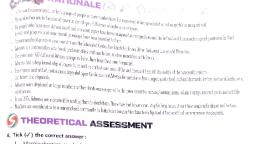
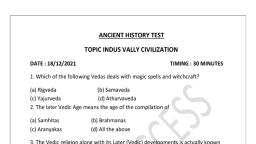
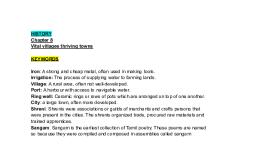
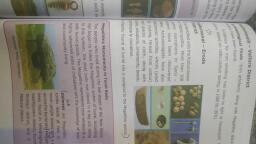
Diiccticnmea ay a, , , , Hymn : asong of praise to gods and goddesses., , Chariot a two-wheeled vehicle, drawn by horses, used in ancient warfare., , Sacrifice the act of offering something valued for the sake of something else more important., Megalith : alarge stone, especially a monument., , Burial : the burying of a dead person., , Vish or Jana =: ~~ common people., , Rajas : fighters or warriors. ., , Brahmins : who performed rituals., , UPA RATIONALE/ >, , In the south Asian subcontinent the books of Vedas are farnous as some of the oldest texts. The oldest Veda is the Rigveda composed in Sanskrit., « The hymns of Rigveda are in praise of various gods and goddesses of nature,, , » The historions examine ond interpret the hymns to find out the environment where they were written and social and political Life, , © According to the Rigveda, chartots drawn by horses were used in bottles fought for fertile land, sources of water, to capture cattle and people and for o, » The occupations betng Uirnited, it was easiest of calling people by their occupations,, , About 3000 veors ago, the deod persons were buried with pats, ornaments, horses et, Stone circles or erected boulders were marks of these burials for, » Sometimes burials were within the houses,, , © The excavations at Inarngaon reveals that the occupations of the people were farming, gethering, herding and hunting, , ©} THEORETICAL ASSESSMENT, , A. Tick (/) the correct answer :, 1. The oldest Veda is a, , (i) Rigveda Ys Samet, , (iii) Yajurveda ee (lV) Atharvaveda, , 142
Page 2 :
ao Rede VOR eRe ao ee, , © elabo ie 3500 years ago, Airey of iron was un em., , , , Hymn ‘a song of praise to gods and goddesses., , Chariot » a two-wheeled vehicle, drawn by horses, used in ancient warfare., , Sacrifice ‘the act of offering something valued for the sake of something else more important., Megalith : alarge stone, especially a monument., , Burial : the burying of a dead person., , Vish or Jana; ~common people., , Rajas : fighters or warriors., , Brahmins : who performed rituals., , , , rid RATIONALE /”, ‘ape, , se Inthe south Aston subcontinent the books of Vedas are fornous as some of the oldest texts. The oldest Veda ts the Rigveda composed in Sanskrit., , ., , The hymns of Rigueda ore in pratse of various gods and goddesses of nature., , The historions exornine and interpret the hymns to find out the environment where they were written and soctol and political Life., , «According tothe Rigveda, chariots drawn by horses were used in battles fought for ferlile Lan, sources of wale, to copture cattle and people and for other wealth,, The occupations being limited, it wos eastest of calling people by their occupations., , ~ About 3000 years ago, the dead persons were burled with pots, ornaments, horses ate. Stone circles or erected boulders were marks of these burtals for a family., «Sometimes burials were within the houses,, , The excavations at Inamgaon reveals that the accupations of the people were farming, gathering, herding and hunting., , oO +HEORETICAL ASSESSMENT, , A. Tick (/) the correct answer :, The oldest Veda is, , (i) Rigveda, , , , (iii) Ya urveda saa stunts
Page 3 :
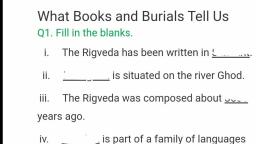
_ ganskrit belongs to which family of |, , anguages ?, (i) Tibeto-Burman, , (ii) Dravid, ii) Indo-European idian, (, , = (iv) Austro-Asiatic, the warrior god was called the, , (i) Soma, , (ii) Indra, (ii) Agni , (iv) None of these, , Ganga and Yamuna rivers are named in Rigveda, , a, ) twice ‘i, u thrice, many tim:, au vuimes (iv) only once io, , fools and weapons of iron were found, (1) in earliest villages, , (ii) in earliest cities ae, (ii) megalithic burials (iv) none of these av, fillin the blanks :, |, In the beginning Rigveda was recited and 4, rand rather than read., 2. The Vedic sages lived in a society where horses and Curt were valued animals,, 3, Stone circles or boulders on the surface were used to indicate Ausial Stes, 4, Port-holes were used as cit “1ct\Ct to the megalithic burials., , 5. The occupations of the People at Inamgaon were far, , Match the following :, , , , ing, gathering, herding and punt Lg, , C, , Column A Column B, LN Chariots Si) A large stone, 2. Dasas (ii) Well-said, 3. Yajna . Ati), Vehicles drawn by horses, , 4, Sukta Biv) Sacrifice, , 5. \\Megalith bse, , Write 'T’ for true and ‘F’ for false statement :, , \ The hymns of Rigveda are in praise of various gods and goddesses of nature,, , 2. Battles of Rigvedic times were fought for-land, water, cattle, people and wealth., In megalithic burials no pots are found., Agni was the god of rain 7, , Stone circles or boulders on the surface were used to indicate the burials,, , , , entity (Give the term for) the following :, The oldest Veda, , \large stone erected on the burials, , , , d used for the people as a whole in the Rigveda, , ii Be
Page 4 :
4. The person who studied the Vedas and performed various rituals ,, 5. A famous physician of India 2000 years ago, , F. Answer in one word or one phrase : eth f fs dt hy, , Ha Wy Wb, , _ Where were the Vedas composed 2In ae, , Tools and weapons of which metals are found in megalithic burials 7, , Z, 5 IF, , 32 falek We Ayal, 3. What name the composers of the hymns gave to their opponents 7 fa a u, 4, 5., , 5 »by Lwyt, By which bone the skeleton can be confirmed to be of men or women? [LF 7727, , - Which vehicle was used in battles in the Vedic age? (12-7 tab, G. Define the following terms :, 1. Archaeologists 2. Sukta, 4. Megalith 25 Vedas, H. Answer these questions briefly :, What is the content of the Vedas ?, How do megalithic burials tell the social differences arnongst the buried people, , ~, , How was the life of a raja different from a das or dasi ?, , Why were people often described by their occupations in Rigvedic tires ?, Who were called the Aryans in the Vedic period ?, , Why did people erect megaliths ?, , a au wn P, , State the common features of the megalithic burials in India., 8. What were the occupations of the people at Inamgaon ?, I. Answer these questions in detail :, , 1. Describe the families of languages spoken by the people in different parts of the South *%, subcontinent., , 2. How do historians examine and interpret the old books ?, , 3. What does Rigveda tell us about the battles and the occupations of the people in Rigves'¢ me:, G PRACTICAL ASSESSMENT, , ‘ene ‘yee men and three women you know. State their occupations (the work they 9° an, anguages they speak. Choose the people having different occupations and different !ang¥