Page 1 :
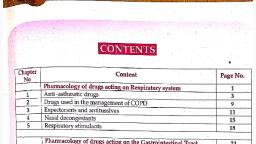
CONTENTS, , , , , , , , , , , , , , , , , , , , , , , , , , , , , , , , , , , , , , , , , , , , , , , , , , , , , , , , , , , , , , , , , , , , , , , , , , , , , , , , , , , , , , , , , , , , , , , , , , , , , , , , , , , , , , , , , , , , , , , , Chapter Content Page No., No, Pharmacology of drugs acting on Respiratory system 1, 1 Anti -asthmatic drugs 3, 2 Drugs used in the management of COPD 9, 3 Expectorants and antitussives 11, 4 Nasal decongestants 15, 5 Respiratory stimulants 18, Pharmacology of drugs acting on the Gastrointestinal Tract 21, 6 Antiulcer agents. 23, Z Drugs for constipation and diarrhoea. 27, 8 Appetite stimulants and suppressants. 31, 9 Digestants and carminatives. 34, 10 Emetics and anti-emetics. _ 36, Chemotherapy 43, ll General principles of chemotherapy. 45, R Sulfonamides and cotrimoxazole. 50, 13 Antibiotics- Penicillins, cephalosporins, chloramphenicol, 54, macrolides,, Chemotherapy 71, 14 Antitubercular agents 72, 5 Antileprotic agents 76, 16 Antifungal agents 78, }17__| Antiviral drugs 81, |.18 | Anthelmintics 84, 19 __| Antimalarial drugs 88, 20 | Antiamoebic agents 92, | ———_,, +—_____| Chemotherapy 97, 21 | Urinary tract infections 99., +—~22_-_ | Sexually transmitted diseases, 703, 23 Chemotherapy of malignancy 106, , , , , , Scanned by CamScanner
Page 2 :
Chapter, , , , , , , , , , , , , , , , , , , , , , , , , , , , , , , , , , , , , , Clinical symptoms and management of barbiturates, morphine,, , organophosphosphorus compound and lead, mezcury and arsenic, poisoning., , , , , , , , , , , , , , Content, No, cology, , 4 Immunostimulants, 25 | Immunosuppressant, , Protein drugs, monoclonal antibodies, target drugs to anti, , Pose ay 1€3 to antigen, |, , Principles of toxicology |, 3% | Definition and basic knowledge of acute, subacute and chronic |, , toxicity., 27 | Difinion and basic lnowledge of genotodly carcinogenic,, , teratogenicity and mutagenicit: P, 28 | General principles of treatment of poisoning, 29, , |, , , , , , , , , , , , , , , , , , , , , , , , , , , , , , , , , 30_| Chronopharmacology, a. Definition of rhythm and cycles, b. Biological clock and their significance leading to chronotherap, , , , SYLLABUS, UNIT-1, 1, Pharmacology of drugs acting on Respiratory system, a. Anti asthmatic drugs, b, Drugs used in the management of COPD, ¢.Expectorants and antitussives, 4. Nasal decongestants, ¢. Respiratory stimulants, 2, Pharmacology of drugs acting on the Gastrointestinal Tract, a. Antiulcer agents. ., bb. Drugs for constipation and diarrhoea., c. Appetite stimulants and suppressants., 4. Digestants and carminatives., , ‘e. Emetics and anti-emetics,, , Chemotherapy, a. General principles of chemotherapy., b, Sulfonamides and cotrimoxazole., , ¢. Antibiotics- Penicillins, cephalosporins, chloramphenicol, macrolides, quinolones and, fluoroquinolins, tetracycline and aminoglycosides, , UNIT-IIT, 3. Chemotherapy, a. Antitubercular agents, , b. Antileprotic agents, , Scanned by CamScanner
Page 3 :
1 Anifurglage>, , . Antiviral drags, ‘eAnthelmintics, f. Antimalasial drags, sg. Antiamoebic agents, UNIT-IV, , 4. Chemotherapy, , Lusnary tract infections and sexually transinltted diseases. Chemotherapy of malignancy,, 5, Immunopharmacology, , a. Immunostimulants, , bb Inmunosuppressant, Protein drugs, monoclonal antibodies, target drugs to antigen, biosimilars, , UNIT-V, , 6 Principles of toxicology, a. Definition and basic knowledge of acute, subacute and chronic toxicity., , b. Definition and basic knowledge of genotoxicity, carcinogenicity, teratogenicity and, mutagenicity, , General principles of treatment of poisoning, , 4. Clinical symptoms and management of barbiturates, morphine, organophosphosphorus, compound and lead, mercury and arsenic poisoning., , 7. Chronopharmacology, + Definition of rhythm and cycles., , ie D.Biol *, "epic dock and their significance leading to chronotherapy., , , , , , , , PHARMACOLOGY OF DRUGS, ACTING ON RESPIRATORY, SYSTEM, , , , Scanned by CamScanner
Page 4 :
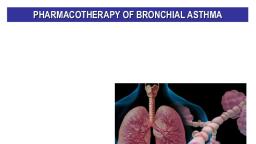
CHAPTER-1, , ANTI-ASTHMATIC DRUGS, DEFINITION OF ASTHMA, , Asthma is a common chronic disorder of the airways that is complex and characterized by, , variable and recurring symptoms, airflow obstruction, bronchial hyper responsiveness, and, , an underlying inflammation. The interaction of these features of asthma determines the, , clinical manifestations and severity of asthma and the response to treatment., , WHO Definition of Asthma - "A chronic inflammato:, , ry disorder of the airways in which, many cells play a role, in particular mast cells,, , eosinophils, and T lymphocytes. In susceptible, individuals this inflammation causes recurrent episodes of wheezing, breathlessness, chest, , tightness, and cough particularly at night and/or in the early morning. These symptoms are, usually associated with widespread but variable airflow limitation that is at least partly, reversible either spontaneously or with treatment. The inflammation also causes an, associated increase in airway responsiveness to a variety of stimuli.", , PATHOPHYSIOLOGY AND PATHOGENESIS OF ASTHMA, Bronchoconstriction: In asthma, the dominant, , symptoms is airway narrowing and a subse, exacerbations of asthma,, , quickly to narrow the a, , physiological event leading to clinical, quent interference with airflow. In acute, bronchial smooth muscle contraction (bronchoconstriction) occurs, irways in response to exposure to a variety of stimuli including, allergens or irritants. Allergen-induced acute bronchoconstriction results from an IgEdependent release of mediators from mast cells that in, , leukotrienes, and prostaglandins that directl, , other nonsteroidal anti-inflammatory drugs can also cause acute airflow obstruction in some, patients, and evidence indicates that this non-I, , igE-dependent response also involves mediator, Telease from airway celis. In addition, other stimuli (including exercise, cold air, and irritants), can cause acute airflow obstruction. The mechanisms regulating the airway Tesponse to these, factors are less well defined, but the intensity of the response appears related to underlying, , airway inflammation. Stress may also play a role in precipitating asthma exacerbations. The, , mechanisms involved have yet to be established and may include enhanced generation of, pro-inflammatory cytokines., , cludes histamine, tryptase,, 'y contract airway smooth muscle. Aspirin and, , @, , Scanned by CamScanner