Page 1 :
ARSH BIOLOGY, , FOR:- NEET, 11th & 12th, KVPY, NEST, B.M. DAS ROAD, RAMNA ROAD, PATNA - 800004, , CONTACT :- 7004183591 / 8217010442, , , , Chapter, , , , 1. ANIMAL HUSBANDRY, , e It is the agricultural practice of breeding and raising, livestock by applying scientific principles., , © It deals with the scientific management of livestock. It, includes various aspects such as feeding, breeding and, control diseases to raise the population of anima, stock., , ¢ Animal husbandry usually includes animals su, , for various ways., ¢ These animals are managed for th, commercially important products such as:, egg, honey, silk etc., © = The increase in human populatio!, of these products. Hence, it is, management of livestock scientific, , improve the, , , , , , ypulation is in India, , ontribution to the world farm, , , the productivity per unit is very, , ologies have to be applied to achieve, and productivity., , MS AND FARM ANIMALS, (1. Dairy Farm Management (Dairying), , e Dairy farm management deals with processes which aim at, improving the quality and quantity of milk production., ¢ Milk production is primarily dependent on choosing, improved cattle breeds, provision of proper feed for cattle,, maintaining proper shelter facilities and regular cleaning, of cattle., © Hence, for the yield potential:, > Choosing improved cattle breeds is an important factor, of cattle management. Hybrid cattle breeds are produced., from improved productivity. Therefore, it is essential, that hybrid cattle breeds should have combination of, various desirable genes such as high milk production, and high resistance to diseases., , , , , , , , , , , , , , , , , Strategies for, Enhancemen in, Food Prod, , , , , , , (0 be given healthy and nutritious food, ting of roughage, fibre concentrates, and high, proteins and other nutrients., ould also be housed in proper cattle houses, should be kept in well ventilated roofs to prevent, them from harsh weather conditions such as heat, cold, or rain., > Regular baths and proper brushing should be ensured, to control diseases., > Also, time to time check ups by a veterinary doctor for, symptoms of various diseases should be undertaken., > Stringent cleanliness and hygiene (of cattle and handlers), while milking, storage and transport of the milk., © To ensure these stringent measures there should be, > Regular inspections, with proper record keeping. It also, helps to identify and rectify the problems., > Regular visits by a veterinary doctor., , 2. Poultry Farm Management, , © Poultry is the domesticated birds used for food or eggs., Example includes chicken, ducks, turkey and geese., © Components of poultry farm management:, > Selection of disease free and suitable breeds. The, improved breed of poultry is Leghorn,, > Proper and safe farm conditions., > Proper feed and water., > Hygiene and health care., , ANIMAL BREEDING, , * Abreed isa special variety of animals within a species. It is, similar in characters such as general appearance, features,, size etc, Breeding is the modification of genotype of an, organism to make that organism more useful to humans., Jersey and Brown Swiss are examples of foreign breeds, of cattle. These two varieties of cattle have the ability, to produce abundant quantity of milk. The milk is very, nutritious with high protein content., , , , Page 1
Page 2 :
ARSH BIOLOGY, , FOR:- NEET, 11th & 12th, KVPY, NEST, B.M. DAS ROAD, RAMNA ROAD, PATNA - 800004, , CONTACT :- 7004183591 / 8217010442, , , , © Aims of Animal breeding:, > To increase the yield of animals., > To improve the desirable qualities of the animals, produce., > To produce disease resistant varieties of animals., © Animal breeding is the method of mating closely related, individuals. It is classified into following categories:, A. Natural methods of breeding:, It includes Inbreeding and Out-breeding., a. Inbreeding, ¢ It is the mating of more closely related individuals, within the same breed for 4-6 generations. This strategy, is as follows:, Superior males and superior females of the same, breed are identified and mated in pairs., ¢ The progeny obtained are evaluated and superior, males and females among them are identified for, further mating., ¢ Incattle, a superior female produces more milk per, lactation., ¢# A superior male (bull) gives rise to superior, progeny,, ¢ Advantages of Inbreeding:, , , , , , , by selection., @ It helps in accumulation of, , ity. This is called, , may reduce fertility and pr, i is problem, selected, , three types: Outcrossing, crossspecific hybridization., , of out breeding, the mating of animals, occurs within the same breed. Thus, they have no, common ancestors on either side of their pedigree, up to 4-6 generations., ¢ The offspring of such a mating is known asout-cross., # It is the best method for animals having low, productivity in milk production, growth rate in beef, cattle, etc., + Ithelps to overcome inbreeding depression., (ii) Cross-breeding:, + In this type of breeding, the mating occurs between, different breeds of same species, thereby producing, a hybrid., # Inthis method, superior males of one breed are mated, , # It increases homozygosityto evolve a pure li, animal,, # Itexposes harmful recessive genes el tet, , The desirable qualities of two different breeds are, combined., , ¢@ The progeny hybrid animals may be used for, commercial production or may be subjected to, inbreeding and selection to develop new stable, superior breeds,, , E.g, Hisar dale (sheep) d ed in Punjab by, i il rams., , , , , , , , + In this type of breed, different 5, + Insome ci, , ig occurs between, , , , , may combine desirable, parents, and may be of, jomic value. E.g. Mule (male ass, , eding experiments., , nsfer technology (MOET)., cial insemination:, It is a process of introducing the semen collected from, male parent into the oviduct or uterus of the female, body by the breeder,, > The semen may be used immediately or can be frozen, and used later. It can also be transported in a frozen form, to where the female is housed., > Success rate of crossing mature male and female, animals is low even though artificial insemination is, carried out., (ii) Multiple Ovulation Embryo Transfer Technology, (MOET), > Itisa programme for herd improvement, in which superovulation is induced by the hormone injection. Then, fertilization is achieved by artificial insemination and, early embryos are collected. Each of these embryos is, then transplanted into the surrogate mother for further, development of the embryo., > In this, a cow is administered hormones, with FSHlike activity, to induce follicular maturation and super, ovulation (production of 6-8 eggs per cycle instead of|, one egg)., > The animal is either mated with an elite bull or artificially|, inseminated, Fertilised eggs at 8-32 cells stages are, recovered and transferred to surrogate mothers., > This technology has been demonstrated for cattle, sheep,, rabbits, buffaloes, mares, etc., > High milk yielding breeds of females and high quality, (lean meat with less lipid) meat-yielding bulls have been}, bred successfully to increase herd size in a short time., , Which method is best- Natural method Or Artificial method of |, breeding?, , The best method to carry out animals breeding is the artificial, , , , method of breeding, which includes artificial insemination and, , with superior females of another breed. MOET. It is because;, , , , , , Page 2
Page 3 :
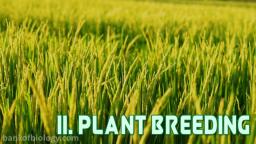
ARSH BIOLOGY, , FOR:- NEET, 11th & 12th, KVPY, NEST, B.M. DAS ROAD, RAMNA ROAD, PATNA - 800004, , CONTACT :- 7004183591 / 8217010442, , , , These technologies are scientific in nature. They help, overcome problems of normal mating and give high success, rate of crossing between mature males and females., , Also, it ensures that production of hybrids with the desired, qualities., , This method is highly economical as a small amount of, semen from the male can be used to inseminate several, cattle,, , 3. Bee-keeping (Apiculture), , Bee keeping is also known as apiculture., , Apiculture is the practice of bee-keeping for production of, various products such as honey and beeswax., , Honey is a food of high nutritive values and also used as, medicine. It is useful for treatment of many disorders such, as cold, flu and dysentery., , Honey bees also produce beeswax and bee pollen, Beeswax, is used for preparation of cosmetics and polishes of various, kinds., , Bee-keeping is practiced in area with sufficient bee pastures, of some wild shrubs, fruit orchards and cultivated crops,, Apis indica is most common species used in apicul, , The following points are important for successful bee-kee], , 4. Fisheries, , Knowledge of the nature and habits of bee:, Selection of suitable location for keeping be, , , , algaculture (the production of kelp/seaweed and other], algae); fish farming; shrimp farming, shellfish farming, and, the growing of cultured pearls aquaculture., , ® The development and flourishing of the fishery industry is, called Blue revolution., , &, , Il. PLANT BREEDING, , , , , , , are better suited for, disease resistant., , Increased crop yield, , Improved quality, , Increased tolerance to environmental stresses (salinity,, extreme temperatures and drought), resistance to pathogens, , > Catching and hiving of swarms (grou > Tnioréased tolerance to insect pests, > Management of beehives during di ., > Handling and collection of honey and’ Steps of plant breeding are:, , , , , Fishery is an industry, which deals, and marketing of fishes and other, prawn, crab, lobst:, economic value., , processing, atic animals such as, . that have a high, , , , , , re Catla, Rohu, common, are Hilsa, Sardines, Mackerel,, , ortant role in the Indian economy. This, is because; a large part of the Indian population is dependent, on fishes as a source of food, which is both cheap and high, in animal protein., , (i Collection of genetic variability, , © Itis the root of any breeding programme., , * Genetic variability from various wild relatives of the, cultivated species is collected to maintain the genetic, diversity of a species. The entire collection of the diverse, alleles of a gene in a crop is called germplasm collection., , (ii) Evaluation of germplasm and selection of parents, , © The germplasm collected is then evaluated so as to identify, plants with desirable combination of characters., , © The selected plants with the desired genes are then used as, parents in plant breeding experiments and are multiplied by, the process of hybridisation., , (iii) Cross hybridisation among the selected parents, © The next step in plant breeding is to combine the desirable, , e AFishery is an employment generating industry especially characters present in two different parents to produce, for people staying in the coastal areas. Both freshwater and hybrids. £.g. high protein quality of one parent is combined, marine fishes are of high economic value. with disease resistance from another parent. This is possible, , e Aquaculture and pisciculture are the techniques to by cross hybridizing the two parents to produce hybrids that, increase the production of aquatic plants and animals, both genetically combine the desired characters in one plant., freshwater and marine water. © Itisa tedious job as one has to ensure that the pollen grains, , © Pisciculture refers to the breeding, hatching, and rearing of collected from the male parent reach the stigma of the, fish under controlled conditions. female parent., , © Aquaculture is the cultivation of aquatic organisms, Unlike Limitations:, , , , fishing, aquaculture, also known as aquafarming, implies the, cultivation of aquatic populations under controlled conditions., Mariculture refers to aquaculture practiced in marine, environments. Particular kinds of aquaculture include, , > This is a very time-consuming and tedious process., > The hybrids may not combine the desirable, characters., , , , , , Page 3
Page 4 :
ARSH BIOLOGY, , FOR:- NEET, 11th & 12th, KVPY, NEST, B.M. DAS ROAD, RAMNA ROAD, PATNA - 800004, , CONTACT :- 7004183591 / 8217010442, , , , > Usually only one in few hundred to a thousand crosses, shows the desirable combination., , \(iv) Selection of superior hybrids, , The progenies of the hybrids having the desired characteristics, are selected through scientific evaluation. The selected, progenies are then self-pollinated for several generations, till they reach a state of uniformity (homozygosity), so that, the characters will not segregate in the progeny., , It yields plants that are superior to both of the parents., , \(v) Testing, release and commercialization of new cultivars, , The newly selected lines are evaluated for characters such, as yield, disease resistance, performance etc. by growing, them in research fields for at least three different parts of the, country. After thorough testing and evaluation, the selected, varieties are given to the farmers for growing in fields for, a large scale production., , \Product-wheat and rice:, , [Product- suga:, , The development of high yielding varieties of wheat and, rice in the mid-1960s, through plant breeding techniques, has increased food production in our country. This p), is known as the Green Revolution., , During the Fee 1960-: 2000, Wheat Production it, , , , , , , , , , for Wheat and Maize Improvement,, semi-dwarf wheat., , In 1963 several varieties such, high yielding variety was intr, Semi-dwarf rice varieties w, (developed at Internati, Philippines) and, Laterbetter-yieldi, were developed in, , Saccharu on, , and yield c1, , ch Institute (TRRT),, -1 (from Taiwan)., varieties Jaya and Ratna, , , , , , , , , , , north India with poor sugar content, Saccharumofficinarum with thick, , stems and ugar content to produce sugar cane of, high yield, thick stems, and high sugar., |Product-millets:, ¢ Hybrid maize, jowar and bajra developed in India. It, , includes high yielding varieties resistant to water stress., , Plant breeding for disease resistance, , It enhances food production and helps to reduce the use of, fungicides and bactericides., Resistance of the host plant is the genetic ability to prevent, the pathogens from disease., , 'Some plant diseases:, , , , Fungal: Rusts. E.g. brown rust of wheat, red rot of, sugarcane and late blight of potato., , * Bacterial: Black rot of crucifers., * Viral: Tobacco mosaic, turnip mosaic, etc., , Methods of breeding for disease resistance:, , Include conventional breeding techniques and mutation breeding., 1. Conventional method: The steps, , > Screening germplasm for resit sources,, , , , Crop Resistance to, Wheat Leaf and stripe rust, hill, bunt, Brassica (Karan rai) White rust, Cauliflower Pusa Shubhra, Pusa Black rot and curl, whall K-1 Blight black rot, Pusa Komal Bacterial blight, Chi Pusa Sadabahar Chilly mosaic virus,, , Tobacco mosaic virus,, and leaf curl, , Conventional breeding is constrained by the availability of|, limited number of disease resistance genes., , 2. Mutation breeding, , * It is the process by which genetic variations are created, through changes in the base sequence within genes resulting |, in the creation of a new character or trait not found in the, parental type., , * [tis possible to induce mutations artificially through use of |, chemicals or radiations, and selecting and using the plants, that have the desirable character as a source in breeding., , *® For example, in mung bean, resistance to yellow mosaic, virus and powdery mildew were induced by mutations., , * Resistance to yellow mosaic virus in bhindi (Abelmoschuses|, culentus) was transferred from a wild species and resulted, in a new variety of A. esculentus called Parbhanikranti., , * All the above examples involve sources of resistance genes, that are in the same crop species, which has to be bred for, disease resistance, or in a related wild species., , @ Transfer of resistance genes is achieved by sexual, hybridisation between the target and the source plant, followed by selection., , Plant breeding for developing resistance to insect Pests, , * Another major cause of large scale destruction of crop plants|, is the insect and pest infestation., ¢ Insect resistance in host crop plants may be due to, morphological, biochemical or physiological, characteristics., * Characters that make the plant resistance to insect pest:, > Hairy leaves in several plants make them resistant to, insect pest. E.g., resistance to jassids in cotton and cereal, leaf beetle in wheat., , , , Page 4
Page 5 :
ARSH BIOLOGY, , FOR:- NEET, 11th & 12th, KVPY, NEST, B.M. DAS ROAD, RAMNA ROAD, PATNA - 800004, , CONTACT :- 7004183591 / 8217010442, , , , , , > Solid stems in wheat lead to non-preference by the, stem sawfly., , > Smooth leaved and Nectar-less cotton varieties do, not attract bollworms., , > High aspartic acid, low nitrogen and sugar content in, maize leads to resistance to maize stem borers., , * Sources of resistance genes for breeding are cultivated, varieties, germ plasm collections of crop or wild relatives., , Some crop varieties bred for insect pest resistance, , Crop Variety Insect pests, Brassica (rapeseed Pusa Gaurav Aphids, mustard), Flat bean Pusa Sem 2, Jassids, aphids and fruit, Pusa Sem 3 borer,, Okra (Bhindi) Pusa Sawani, Shoot and Fruit, Pusa A-4 borer, , Plant Breeding for Improved Food Quality, (Biofortification), , ® More than 840 million people in the world do not, adequate food. 3 billion people suffer from micro, protein and vitamin deficiencies (“hidden hunger’)., * Bio fortification is the process of breeding, higher levels of vitamins, minerals, protei, This method is employed to improve, Objectives of breeding for improved n, (biofortification) are:, ® To improve Protein content an, ¢ = To improve Oil content and qual, © To improve Vitamin content., © To improve Microm, Examples for hybrids, * ., , , , , , , , , , , , , ice the amount of amino, han, compared with existing, , 66, having high protein content has, , or improving cultivated wheat., , * Tron fortified riee developed with five times more iron than, existing variety., , IARI New Delhi developed:, , Vitamin A enriched carrots, spinach, pumpkin., , Vitamin C enriched bitter gourd, bathua, mustard, tomato., , Tron and Calcium enriched spinach and bathua, , Protein enriched beans- broad, lablab, French and garden, , peas., , Ill. SINGLE CELL PROTEIN (SCP), , * One of the alternating sources of proteins for animal and, human is SCP., , ¢ Single cell protein means that microbes are used as a, source of protein., , © Single cell proteins can be produced from algae, fungi,, yeasts and bacteria., , © Microorganism despite being small, are capable of, producing tonnes of proteins due to their higher rates of|, biomass production., E.g. Presently Spirulina, an alga, of SCP., , © Spirulina is rich in prot, andvitamins. It is grow!, , idely used as a source, , , , , , , , , , carbohydrate, ike waste water from, , -organism like Methylophilus, ¢ 25 tonnes of protein,, juction of biomass like mushroom, , issue culture is the process of developing a complete plant, , ‘om a part of a plant. The plant part is called an explant., , plant can be grown in sterile conditions in special nutrient, media to regenerate complete plants., , e The ability to generate a whole plant from any cell/explant, is called totipotency,, , © = The nutrient medium must provide a carbon source (such as, sucrose), inorganic salts, vitamins, amino acids and growth, regulators like auxins, cytokinins etc., , * Apical and axillary meristems of plants are used for making, virus free plants. In a diseased plant, only this region is not, affected by the virus as compared to the rest of the plant, region. Hence, the scientists remove axillary and apical, meristems of the diseased plants and grow in vitro to obtain, a disease free and healthy plant., , © Virus free plants of banana, sugarcane, and potato have been|, obtained using this method by scientists., , Micropropagation:, , > Micro propagation is a method of producing new plants, in a short duration through tissue culture., , > Each of the plants grown by micro propagation are, genetically identical and are called somaclones. Tomato,, banana, apple etc. are produced using this method., , > Examples: Many important food plants like tomato,, banana, apple, ete., have been produced on commercial, scale using this method., , > Advantages of micro propagation:, , ¢ Ithelps in the propagation of a large number of plants|, , in a short span of time., , # The plants produced are identical to the mother, , plant., , 4% Itleads to the production of healthier plant lets, which, , exhibit better disease resistant powers., , , , Page 5