Page 3 :
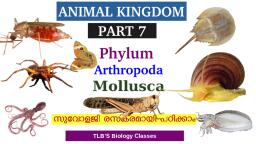
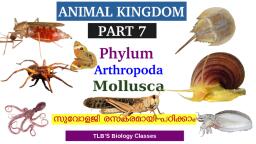
Phylum – Arthropoda, , ●, , Arthropoda is the largest phylum of Animalia, which includes insects., , ●, , Over two-thirds of all named species on earth are, arthropods., , TLB’S Biology Classes
Page 5 :
Phylum – Arthropoda, , The body of arthropods is covered, by chitinous exoskeleton., , TLB’S Biology Classes
Page 6 :
Phylum – Arthropoda, , ●, , The body consists of, , ●, , head,, , ●, , Thorax and, , ●, , abdomen., , TLB’S Biology Classes
Page 8 :
Phylum – Arthropoda, Respiratory organs are, ●, , gills,, , ●, , book gills,, , ●, , book lungs or, , ●, , tracheal system., , TLB’S Biology Classes
Page 9 :
Phylum – Arthropoda, , Circulatory system is of, open type., , TLB’S Biology Classes
Page 10 :
Phylum – Arthropoda, Sensory organs like, ●, antennae,, ●, Eyes (compound and simple),, ●, statocysts or balancing organs are, present., , TLB’S Biology Classes
Page 12 :
Phylum – Arthropoda, ●, , They are mostly dioecious., , ●, , Fertilisation is usually internal., , ●, , They are mostly oviparous., , ●, , Development may be direct or indirect., , TLB’S Biology Classes
Page 16 :
Phylum – Arthropoda, ●, , This is the largest phylum of Animalia which includes insects., , ●, , Over two-thirds of all named species on earth are arthropods., , ●, , ●, , They have organ-system level of organisation., They are bilaterally symmetrical, triploblastic, segmented and coelomate, animals., , ●, , The body of arthropods is covered by chitinous exoskeleton., , ●, , The body consists of head, thorax and abdomen., , ●, , They have jointed appendages (arthros-joint, poda-appendages)., , ●, , Respiratory organs are gills, book gills, book lungs or tracheal system., , TLB’S Biology Classes
Page 17 :
Phylum – Arthropoda, , ●, , ●, , Circulatory system is of open type., Sensory organs like antennae, eyes (compound and simple), statocysts or, balancing organs are present., , ●, , Excretion takes place through malpighian tubules., , ●, , They are mostly dioecious., , ●, , ●, , ●, , Fertilisation is usually internal., They are mostly oviparous., Development may be direct or indirect., , TLB’S Biology Classes
Page 19 :
Phylum – Mollusca, , This is the second largest, animal phylum, , TLB’S Biology Classes
Page 21 :
Phylum – Mollusca, ●, , Body is covered by a calcareous shell and, is unsegmented with a distinct, , ●, , head,, , ●, , muscular foot and, , ●, , visceral hump., , TLB’S Biology Classes
Page 22 :
Phylum – Mollusca, ●, , A soft and spongy layer of skin, forms, , a, , mantle over the, , visceral hump., ●, , The space between the hump, and the mantle is called the, , mantle, , cavity, , in, , which, , feather like gills are present., ●, , They, , have, , respiratory, , and, , excretory functions., , TLB’S Biology Classes
Page 23 :
Phylum – Mollusca, , The anterior head region, has sensory tentacles., , TLB’S Biology Classes
Page 24 :
Phylum – Mollusca, , The mouth contains a, file-like rasping, , organ for feeding,, called, , radula., , TLB’S Biology Classes
Page 31 :
Phylum – Mollusca, ●, , ●, , This is the second largest animal phylum., Molluscs are terrestrial or aquatic (marine or fresh water) having an, organ-system level of organisation., , ●, , They are bilaterally symmetrical, triploblastic and coelomate animals., , ●, , Body is covered by a calcareous shell and is unsegmented with a distinct, head, muscular foot and visceral hump., , ●, , A soft and spongy layer of skin forms a, , mantle over the visceral hump., , TLB’S Biology Classes
Page 32 :
Phylum – Mollusca, , ●, , The space between the hump and the mantle is called the mantle, , cavity in which feather like gills are present., ●, , ●, , They have respiratory and excretory functions., The anterior head region has sensory tentacles., , ●, , The mouth contains a file-like rasping organ for feeding, called radula., , ●, , They are usually dioecious and oviparous with indirect development., , TLB’S Biology Classes