Notes of Chem. ( S + K) 2nd Sem, BMC nuclear power.pdf - Study Material
Page 1 :
NUCLEAR POWER PLANTS, OF, INDIA
Page 2 :
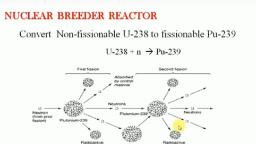
Nuclear energy is energy in the core of an atom, , Atoms are the tiny particles in the molecules that make up gases, liquids, and solids. Atoms themselves are made up of three, particles called protons, neutrons, and electrons. An atom has a nucleus (or core) containing protons and neutrons, which is, surrounded by electrons. Protons carry a positive electrical charge, and electrons carry a negative electrical charge. Neutrons, do not have an electrical charge. Enormous energy is present in the bonds that hold the nucleus together. This nuclear energy, can be released when those bonds are broken. The bonds can be broken through nuclear fission, and this energy can be used, to produce (generate) electricity., , , , How fission splits the uranium atom, , lighter element, , —* neutron, o— + energy, neutron = @, , Uranium 235 neutron, , 0, , lighter element, , Source: Adapted from National Energy Education Development Project, (public domain), , , , The sun is basically a giant ball of hydrogen gas, undergoing fusion and giving off vast amounts of, energy in the process., , Source: NASA 2 (public domain), , , , In nuclear fission, atoms are split apart, which releases energy. All nuclear power plants use nuclear fission, and most nuclear, power plants use uranium atoms. During nuclear fission, a neutron collides with a uranium atom and splits it, releasing a large, amount of energy in the form of heat and radiation. More neutrons are also released when a uranium atom splits. These, neutrons continue to collide with other uranium atoms, and the process repeats itself over and over again. This process is, called a nuclear chain reaction. This reaction is controlled in nuclear power plant reactors to produce a desired amount of heat., , Nuclear energy can also be released in nuclear fusion, where atoms are combined or fused together to form a larger atom., Fusion is the source of energy in the sun and stars. Developing technology to harness nuclear fusion as a source of energy for, heat and electricity generation is the subject of ongoing research, but whether or not it will be a commercially viable, technology is not yet clear because of the difficulty in controlling a fusion reaction., , , , did you 9 Nuclear power plants have supplied about 20% of annual U.S. electricity generation, , kno ( since 1990., , Nuclear fuel—uranium, , Uranium is the fuel most widely used by nuclear plants for nuclear fission. Uranium is considered a nonrenewable energy, source, even though it is a common metal found in rocks worldwide. Nuclear power plants use a certain kind of uranium,, referred to as U-235, for fuel because its atoms are easily split apart. Although uranium is about 100 times more common than, silver, U-235 is relatively rare., , Most U.S. uranium ore is mined in the western United States. Once uranium is mined, the U-235 must be extracted and, processed before it can be used as a fuel.
Page 3 :
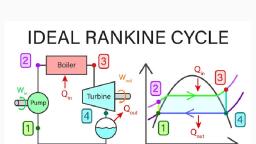
Nuclear power comes from nuclear fission, Nuclear power plants heat water to produce steam. The steam is used to spin large turbines that generate electricity. Nuclear, power plants use heat produced during nuclear fission to heat water., , In nuclear fission, atoms are split apart to form smaller atoms, releasing energy. Fission takes place inside the reactor of a, nuclear power plant. At the center of the reactor is the core, which contains uranium fuel., , The uranium fuel is formed into ceramic pellets. Each ceramic pellet produces about the same amount of energy as 150, gallons of oil. These energy-rich pellets are stacked end-to-end in 12-foot metal fuel rods. A bundle of fuel rods, some with, hundreds of rods, is called a fuel assembly. A reactor core contains many fuel assemblies., , The heat produced during nuclear fission in the reactor core is used to boil water into steam, which turns the blades of a steam, turbine. As the turbine blades turn, they drive generators that make electricity. Nuclear plants cool the steam back into water in, a separate structure at the power plant called a cooling tower, or they use water from ponds, rivers, or the ocean. The cooled, water is then reused to produce steam.
Page 4 :
Nuclear power plant, , , , , , , , , , , , , , , containment structure, , steam transmission lines, , electric, , steam, generator, , nonradioactive, , warm water vapour, , condenser water, , warm, moist air, , water, , condenser spray, , , , water pump cool condenser water, , , , cooling tower, , , , nuclear reactor, , : : —>, @ 2013 Encyclopaedia Britannica, Inc. intake from lake or river, , —e
Page 5 :
Advantages & Disadvantages of, Nuclear Energy, , Advantages, , - Clean source of energy. 1, - With a modest amount of nuclear fuel,, you can output a huge amount of energy., , - It is self-sufficient., , - Nuclear energy is one of the strongest, concentrated forms of energy that we, are acquainted with., , - Itproduces its‘own fuel to suit future} >, manufacturing requirements., , , , Disadvantages, , - Nuclear Accidents Have Serious Repercussions., , - It has the potential to be converted, into a lethal weapon., , - Nuclear power yields toxic waste. ay, - Facilities with a Deadline. AY 1, , AplusTopper.com