Notes of Bsc Nursing 3rd Year, Research Problem Solving - Study Material
Page 1 :
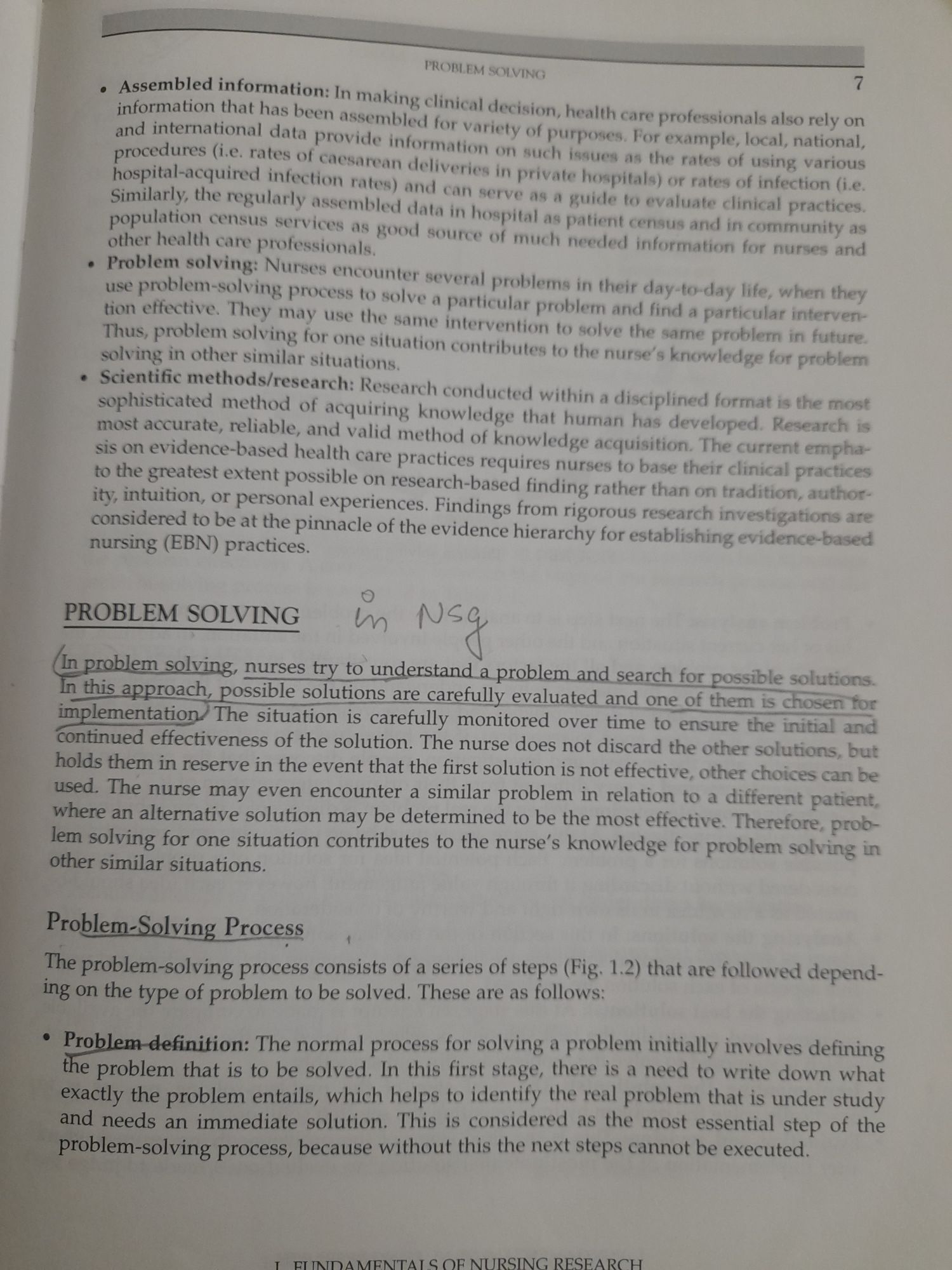
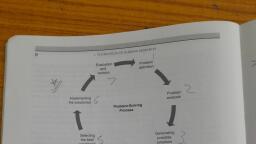
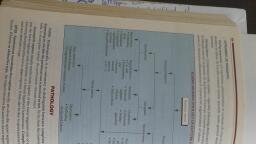
re, , , , , PROBLEM SOLVING, , , , , , , Assembled information;, , information that has been assembled for y | decision, health care professionals also rely on, and international data Provide inform tea Of purposes. For example, local, national,, Bi dures (i.e. rates of Givearean dc ie ion i Such issues as the rates of using various, ‘ : : ‘Hveries in pri i i, hospital-acquired infection rates) and can rr eg aan site ated cae, . ? p " q i, Similarly, the regularly assembled data in hoepitel % the e to evaluate clinical Practices., pulation census services 88 good ef nich root eee eae tae, ‘ S a dd SOUrCE o . j ;, iihes health care professionals, Much needed information for nurses and, , -s Problem solving: Nurses, , p, , In making clinica, , cto SS ORI ge Several problems in their day-to-day life, wher they, use prob! 8 Process to solve a particular problem and find a Particular intervert, tion effective. They may use the same j i, may us f Ntervention to solve the same probl in fut, Thus, problem solving for one situ Hodge for putas, , Spr : ation contributes to the nurse’s k fem, solving in other similar situations, . cae aad ieee, __ * Scientific methods/research: Rose, , nuk arch conducted within a disciplined format is the most, sophisticated method of acquiring knowledge that human has developed. Research is, , most accurate, reliable, and valid method of knowledge acquisition. The current emphasis on evidence-based health care practices requires nurses to base their clinical practices, to the greatest extent possible on research-based finding rather than on tradition, author, ity, intuition, or personal experiences. Findings from rigorous research investigations are, considered to be at the pinnacle of, , the evidence hierarchy for establishing evidence-based, nursing (EBN) practices., , , , , , , , , , , , , , , _ PROBLEM SOLVING bis (US ¢, , , , In problem solving, nurses try to un ch for ible solutions., his approach, possible solutions are carefull evaluated and one of them is, nplementation? The situation is carefully monitored over time to ensure the initial and, nued effectiveness of the solution. The nurse does not discard the other solutions, but, ‘them in reserve in the event that the first solution is not effective, other choices can be, The nurse may even encounter a similar problem in relation to a different patient,, e an alternative solution may be determined to be the most effective. Therefore, probolving for one situation contributes to the nurse’s knowledge for problem solving in, situations., , solving Process 1, , solving process consists of a series of steps (Fig. 1.2) that are followed dependof problem to be solved. These are as follows:, , on: The normal process for solving a problem initially involves defining, is to be solved. In this first stage, there is a need to write down what, tails, which helps to identify the real problem that is under study, solution. This is considered as the most essential step of the, ause without this the next steps cannot be executed., , NURSING RESEARCH