Page 1 :
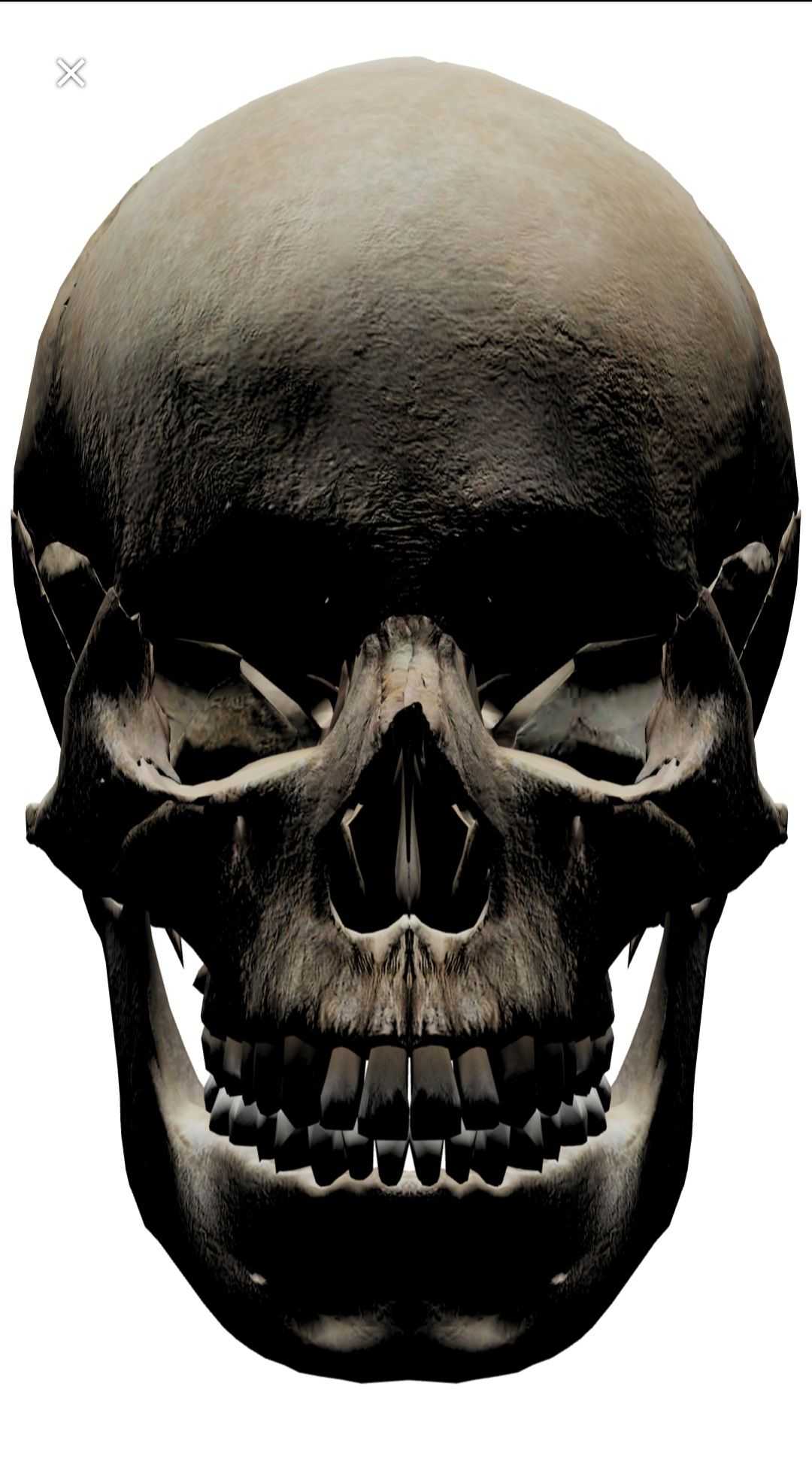
BONY LANDMARKS, , There are more than 200 bones in the human body. Each one is different and unique. Bone, landmarks help us describe individual bone with all of its bumps, ridges, and holes. In this, eBook, we will look at common bone landmark terminology.
Page 2 :
Gross anatomy of a bone, There are two main parts of the bone:, the diaphysis and epiphysis., Diaphysis: The walls of the diaphysis, are composed of dense and hard, compact bone. It contains a hollow, region called the medullary cavity,, which is filled with yellow marrow., The cavity is lined with endosteum, where bone growth, repair, and, remodeling occur., Epiphysis: The wider section at each, end of the bones, filled with spongy, bone.
Page 3 :
Gross anatomy of a bone, Between the diaphysis and the epiphysis, is the epiphyseal growth plate, which, contains hyaline cartilage in a growing, bone. Once the bone stops growing, the, cartilage is replaced by osseous tissue, and the plate becomes a line., The outside of the bone is covered, in a fibrous membrane called the, periosteum. This contains blood, vessels, nerves, and lymphatic vessels., Tendons and ligaments attach to the, bone here. When bones meet to form, a joint, the epiphysis of each bone is, covered with articular cartilage,, which reduces friction and acts as a, shock absorber.
Page 4 :
Three general bone markings, Articulation, , Projection, , Hole, , An area where two bones, meet., , An area that projects, above the surface of the, bone., , Opening or groove in the, bone that allows blood, vessels and nerves to, enter., , Left temporal bone, , Sacrum, , Right humerus/Scapula
Page 5 :
Process: A outgrowth of bone from a larger body that allows articulation, with other bones to form joints., , Head, , Facet, , Condyle, , Round surface of a bone, that helps form a joint., , A smooth and flat surface, that helps form a gliding, joint., , Provides structural, support and absorbs, most of the force exerted, by the joint., , Right Talus, , L01 & L02 Vertebra, , Left Tibia
Page 6 :
Neck: Narrowing of the bone where the shaft of the long bone (diaphysis), meets the end of the long bone., , Right 1st Rib, , Left Radius, , Body: The largest and main segment of the bone., , Left Scaphoid, , Left Calcaneus, , Body of Sternum
Page 7 :
Epicondyle: A rounded projection that sits on top of the condyle and, allows connective tissues to connect to the bone., , Left Femur, , Left humerus, , Crest: A raised ridge projection that is part of the edge of a bone and, allows connective tissues to connect to the bone., , Left Ilium, , Left Pubis, , Frontal bone
Page 8 :
Spine (spinous process): A more pronounced raised, sharp, , elevation of bone that allows connective tissues and muscles to connect to the, bone., , T01 Vertebra, , L03 Vertebra, , Right Scapula, , Tuberosity: A large projection on the side of the bone that allows, connective tissues to connect to the bone., , Left Femur
Page 9 :
Tubercle: A small round projection that allows, connective tissues to connect to the bone., , C03 Vertebra, , Mandible, , Left Fifth Rib, , Tuberosity: A moderate projection that allows, connective tissues to connect to the bone., , Right 5th Metatarsal, , Right Ischium, , Left Radius
Page 10 :
Foramen: A round hole where blood vessels, nerves, or ligaments pass, through., , Right zygomatic bone, , Spheniod, , Occipital, , Meatus: A tube-like, , channel that provides passage, and protection to nerves and, vessels within the bone., , Right temporal bone
Page 11 :
Fissure: A slit in the bone that, usually houses nerves and blood, vessels., , Right Maxilla, , Sulcus: A groove that, , accommodates a nerve, blood vessel,, or tendon., Right Talus
Page 12 :
Fossa: A shallow depression in a bone’s surface that allows other bones, to articulate with it., , Left Humerus, , Sinus: A cavity within an, organ or tissue., , Ethmoid bone
Page 13 :
A universe of anatomical and physiological, visuals and reference texts at your fingertips!, www.visiblebody.com, View a 3D Tour of all the images featured in, this eBook!, If you have a mobile version of Human Anatomy Atlas 2021.1 or, later:, 1. Click here to view the tour., If you have a web version of Atlas:, 1. Copy this link:, https://apps.visiblebody.com/share/?p=vbhaa&t=4_31278_637546902370634390_49950, , 2. Use the share link button in the app., 3. Paste the link to view the tour.