


DevOps · Engineering

When Infrastructure Meets the Classroom.

When most people picture modern infrastructure, they think of data centers, cloud dashboards, and elaborate deployment pipelines servers humming somewhere far away, quietly handling millions of requests.

A seamless lesson experience depends on two worlds working together the cloud powering delivery, and the classroom staying connected in real time.

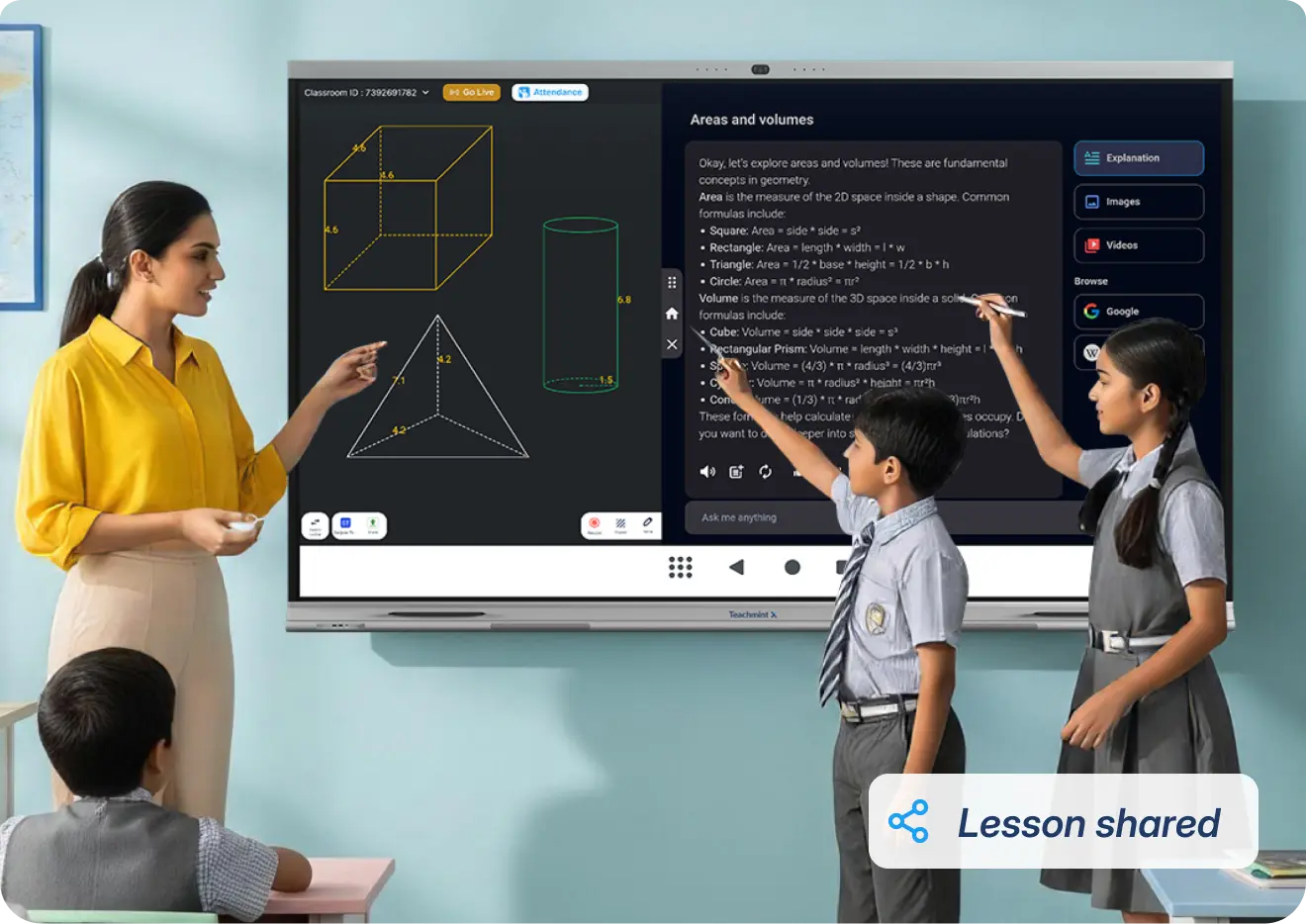
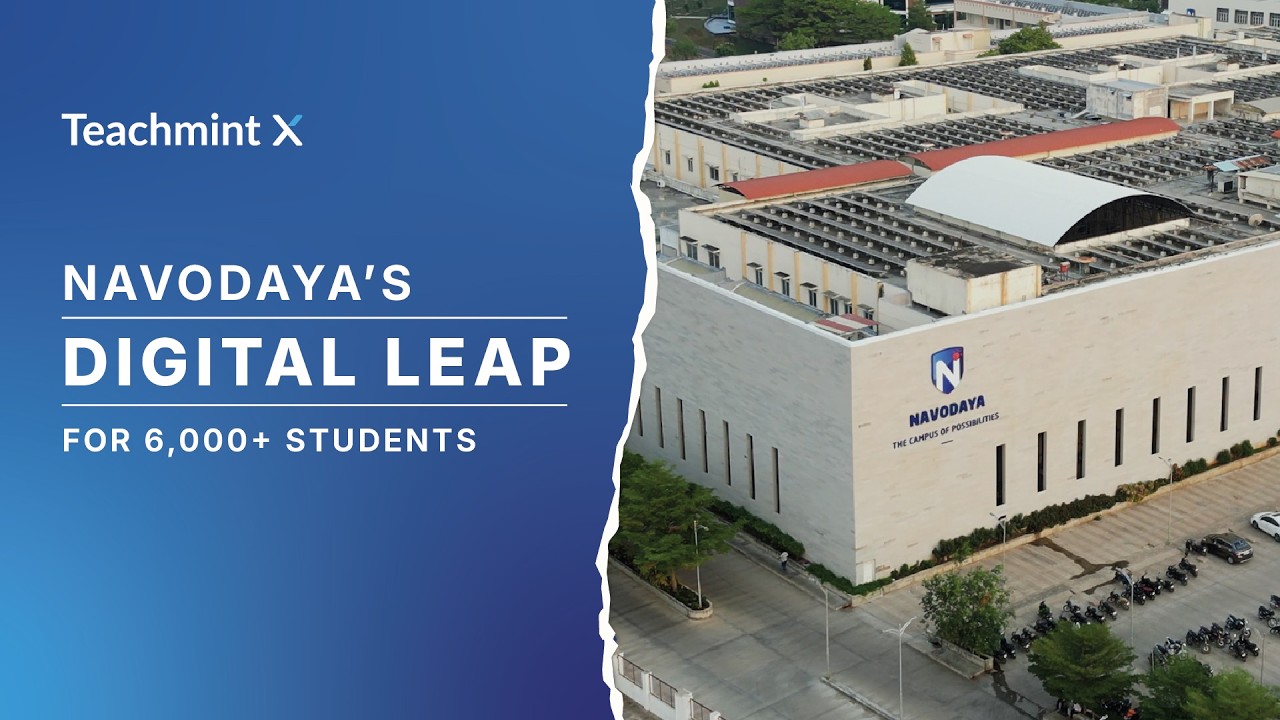
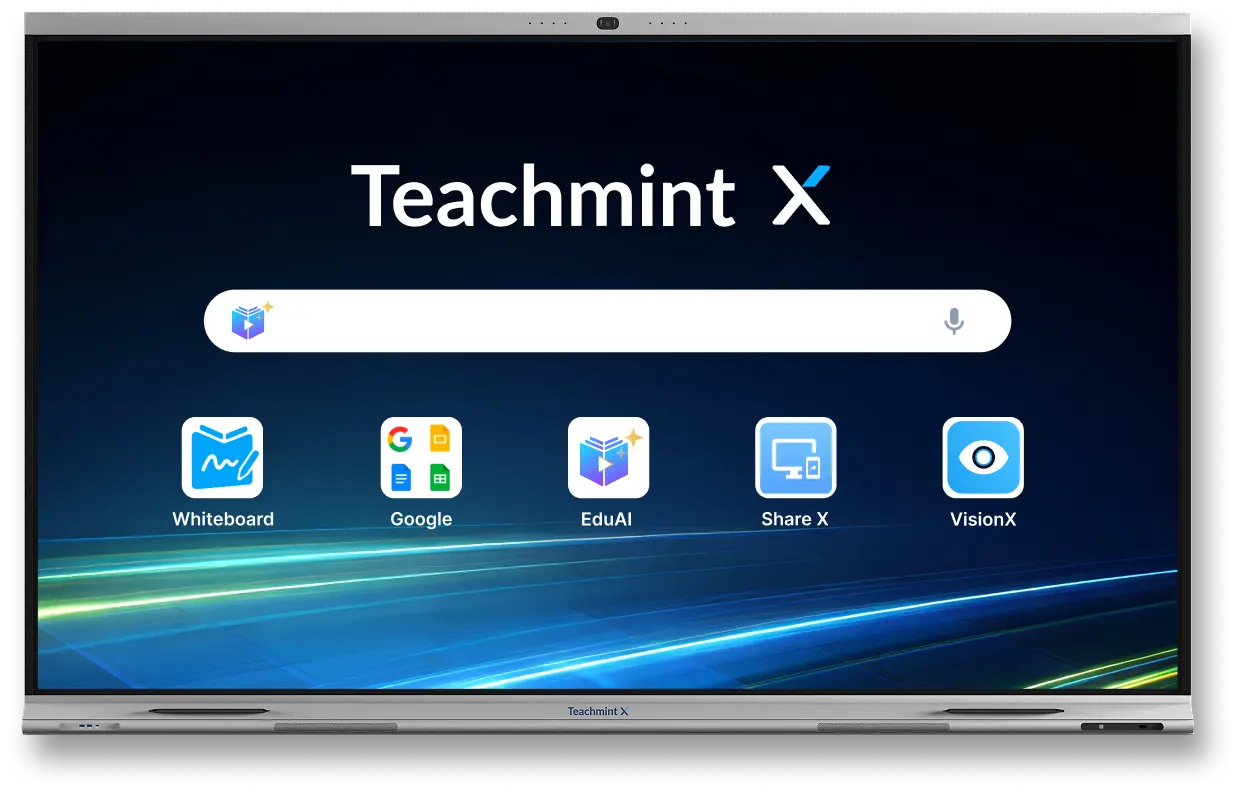
At Teachmint, infrastructure doesn’t end inside a cloud console. It extends into classrooms across interactive displays mounted on walls, school Wi-Fi networks serving an entire building at once, and live lessons where even a small hiccup is felt by every student in the room. That reality changes how we think about reliability. We aren’t measuring ourselves against the standard of a typical consumer app. We’re measuring ourselves against a teacher standing in front of a class who simply cannot pause the lesson.

This post is about what shifts when your infrastructure reaches all the way to the classroom.

01 / The Infrastructure Infrastructure That Reaches Beyond the Cloud

In most software products, infrastructure stops at the user’s device. Once a request leaves the backend, the rest of the journey is fairly predictable, a phone, a browser, a reasonably good internet connection.

Classrooms aren’t built that way.

A classroom environment includes shared Wi-Fi, variable power conditions, inconsistent bandwidth, and software update windows that might only open up over the weekend. Our systems have to account for all of it cloud services, content delivery, classroom devices, update flows, local content, and fleet health monitoring, all working together so that a single lesson runs smoothly.

The challenge isn’t just scaling backend services. It’s keeping the entire experience reliable across many distributed devices operating in very real, very variable conditions.

02 / The Classroom The Classroom Has a Schedule, and So Does the Traffic

Most consumer apps see traffic that ebbs and flows gradually. Classroom traffic doesn’t ebb. It rings a bell.

When the school day begins, devices across thousands of schools come online together. Lessons start. Content loads. Whiteboards sync. Live sessions begin. A short while later, the period ends and the pattern resets for the next one.

These spikes are predictable, which is both a gift and a challenge. We know exactly when they’re coming, so we can prepare for them. But the moment of impact is still intense many classrooms expecting everything to “just work” within the same minute

Designing for this isn’t about reacting to traffic as it arrives. It’s about anticipating it, school schedule by school schedule, and being ready before the bell rings.

03 / The Spotty Connectivity Spotty Connectivity Changes Everything

One of the biggest realities of building for classrooms is that the internet isn’t always there. Some schools have great connectivity. Many don’t. Connections drop. Updates get interrupted. Bandwidth fluctuates throughout the day.

For a cloud-only product, an unstable connection is an inconvenience. For a classroom device, it’s the difference between a lesson happening and a lesson not happening.

This shapes how we ship updates and improvements. A bad update on a phone is fixable in seconds. A bad update to a device in a classroom is the screen that students will be looking at tomorrow morning. So our update process assumes the worst rolling out gradually, checking health along the way, recovering automatically when something interrupts the process, and always leaving devices in a working state no matter what happens mid-update.

Every step has to tolerate interruption and recover on its own.

04 / The PRESENCE What “Visibility” Really Means

It’s easy to know whether your servers are healthy. Dashboards turn green, metrics look normal, and you assume everything is fine

But green dashboards don’t tell you whether a teacher’s lesson is actually working.

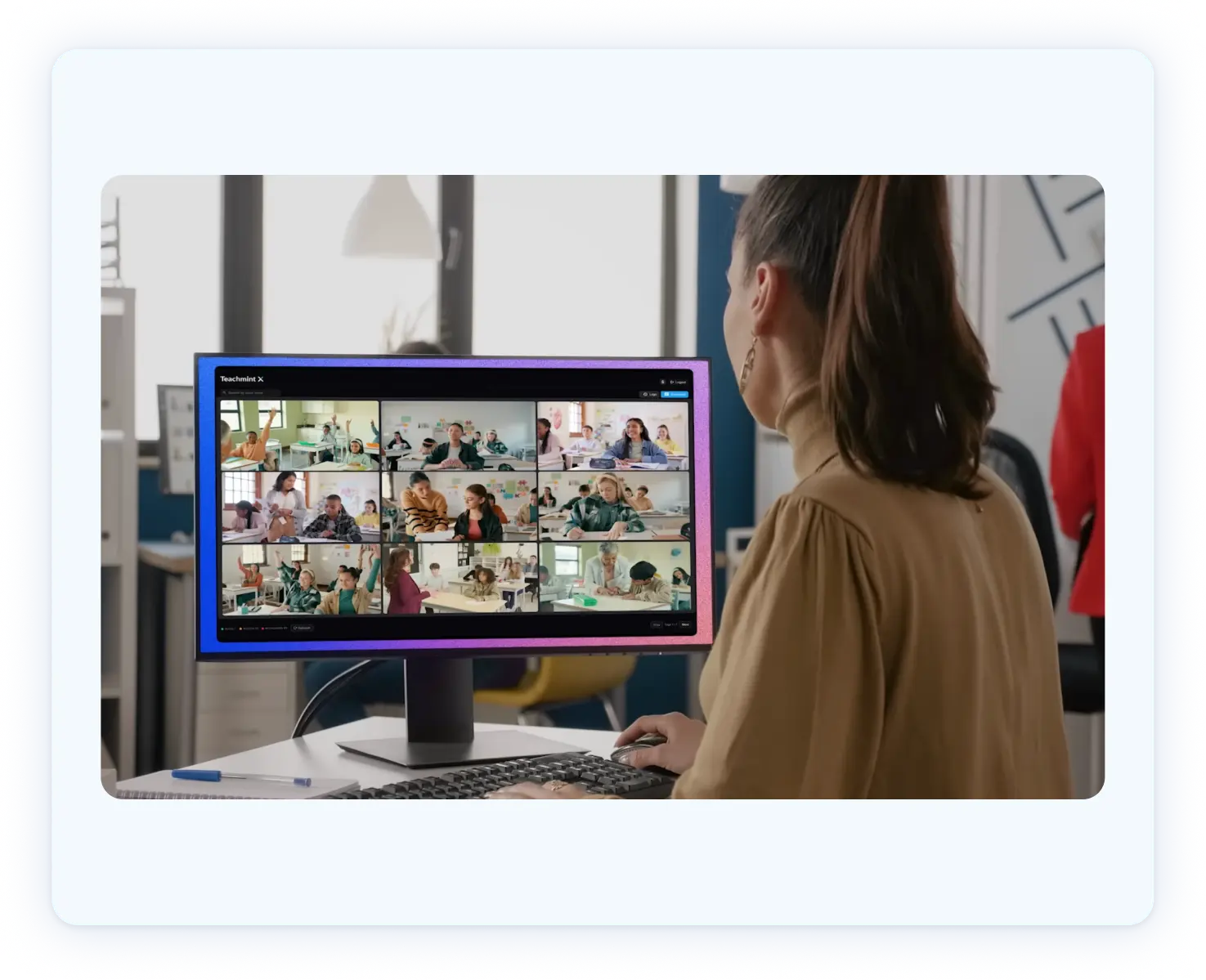
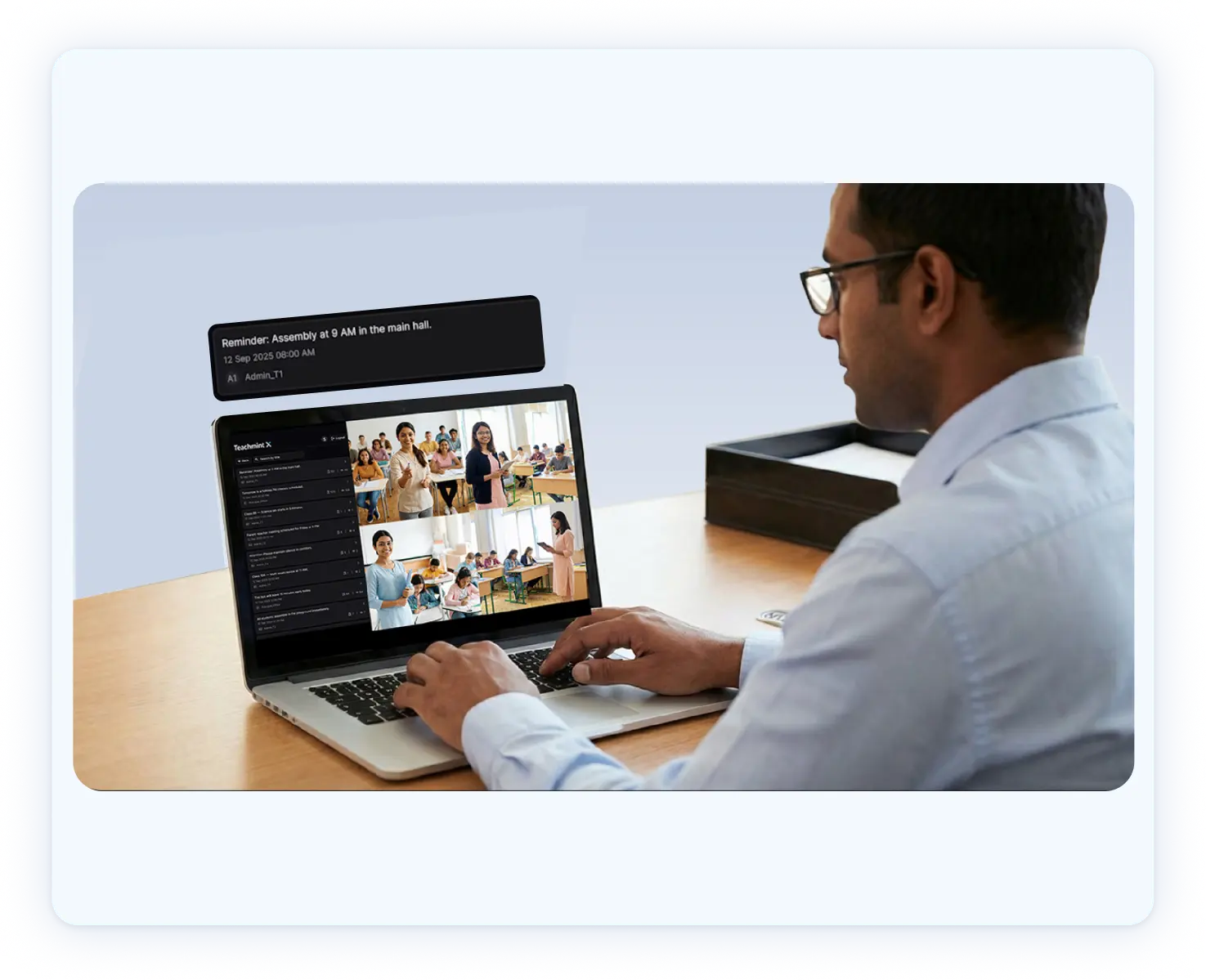
A classroom device might be on a flaky school network. A content sync might have stalled. A peripheral might have disconnected. None of that shows up in traditional metrics. So we build a second layer of visibility one that tells us about the devices themselves, the conditions they’re operating under, and the experience inside the classroom.

The real question we want to answer isn’t “are the servers up?” It’s “is the lesson running right now?” Answering that takes more than one set of dashboards.

05 / The Little Things Small Delays Feel Big in a Classroom

In most products, a half-second delay is a minor annoyance. In a classroom, the same delay can pull attention away from a lesson.

A teacher taps the board. The board needs to respond instantly. A student answers a quick quiz question. The result needs to appear before the next thought begins. Once attention drifts during a class, getting it back is hard.

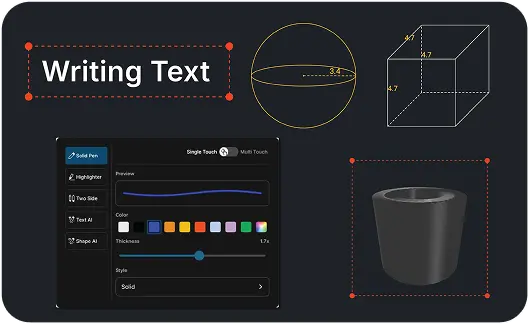
That’s why we treat interactive moments writing on the board, sharing the screen, running a live activity differently. They get their own performance targets. They aren’t just “fast enough on average.” They have to be reliably fast, even on a difficult day, even on a slower network.

The goal isn’t fast technology. It’s invisible technology technology that lets the teaching happen without getting in the way.

06 / The Design Designed to Keep Going

Classroom systems can’t assume perfect conditions. Networks drop. Devices reconnect. Updates arrive late. The lesson, however, must continue.

So we design for it. Lessons keep playing when the network blinks. Changes made during a disconnect catch up automatically when the connection returns. Conflicts get resolved quietly in the background. The teacher never has to step in to mediate between the technology and the moment.

If a feature only works when everything is perfect, it doesn’t really work. Continuity matters more than dependence on any single piece going right.

07 / The Experience Two Worlds, One Experience

What makes classroom infrastructure different is that it lives in two places at once in the cloud and in the room. Both worlds have to move together. A great backend can’t rescue a struggling classroom device, and a great device can’t make up for a backend that isn’t there.

The challenge isn’t simply supporting more users. It’s keeping the experience continuous across two environments that look very different but feel like one thing to the person using them.

07 / The Closing The Real Goal

Building for education has reshaped how we think about infrastructure. Cloud reliability is only half the story. Classrooms bring in constraints that most products never face synchronized schedules, distributed hardware, unpredictable networks, and the simple requirement that a real teacher leading a real lesson never has to think about any of it.

In the end, all of this work points at one outcome: keeping learning uninterrupted, wherever it happens.

©Copyright , Teachmint
Technologies Pvt. Ltd.